A Journey Through the Clouds: The Jean-Marie Urlacher Permanent Exhibition
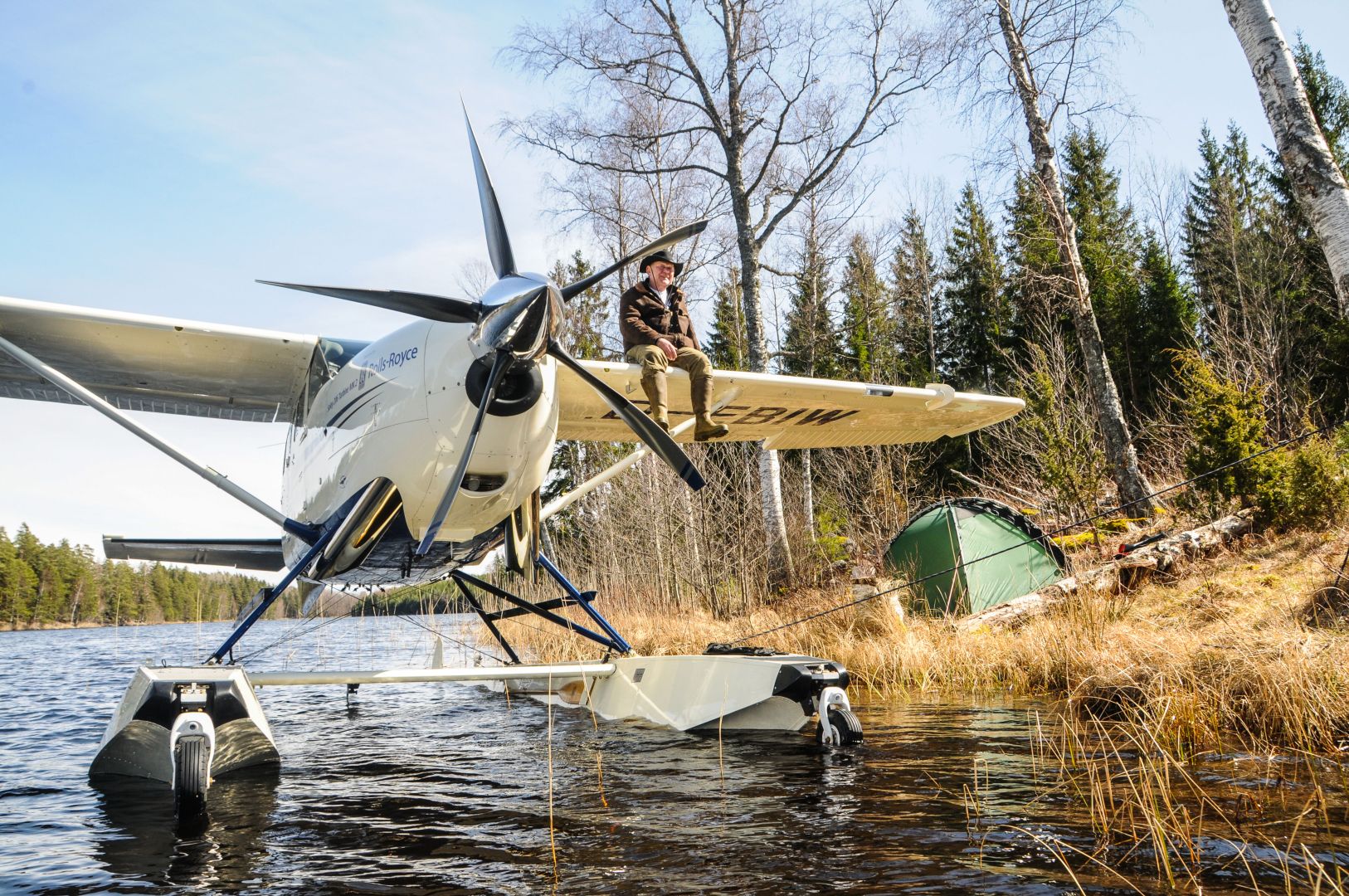
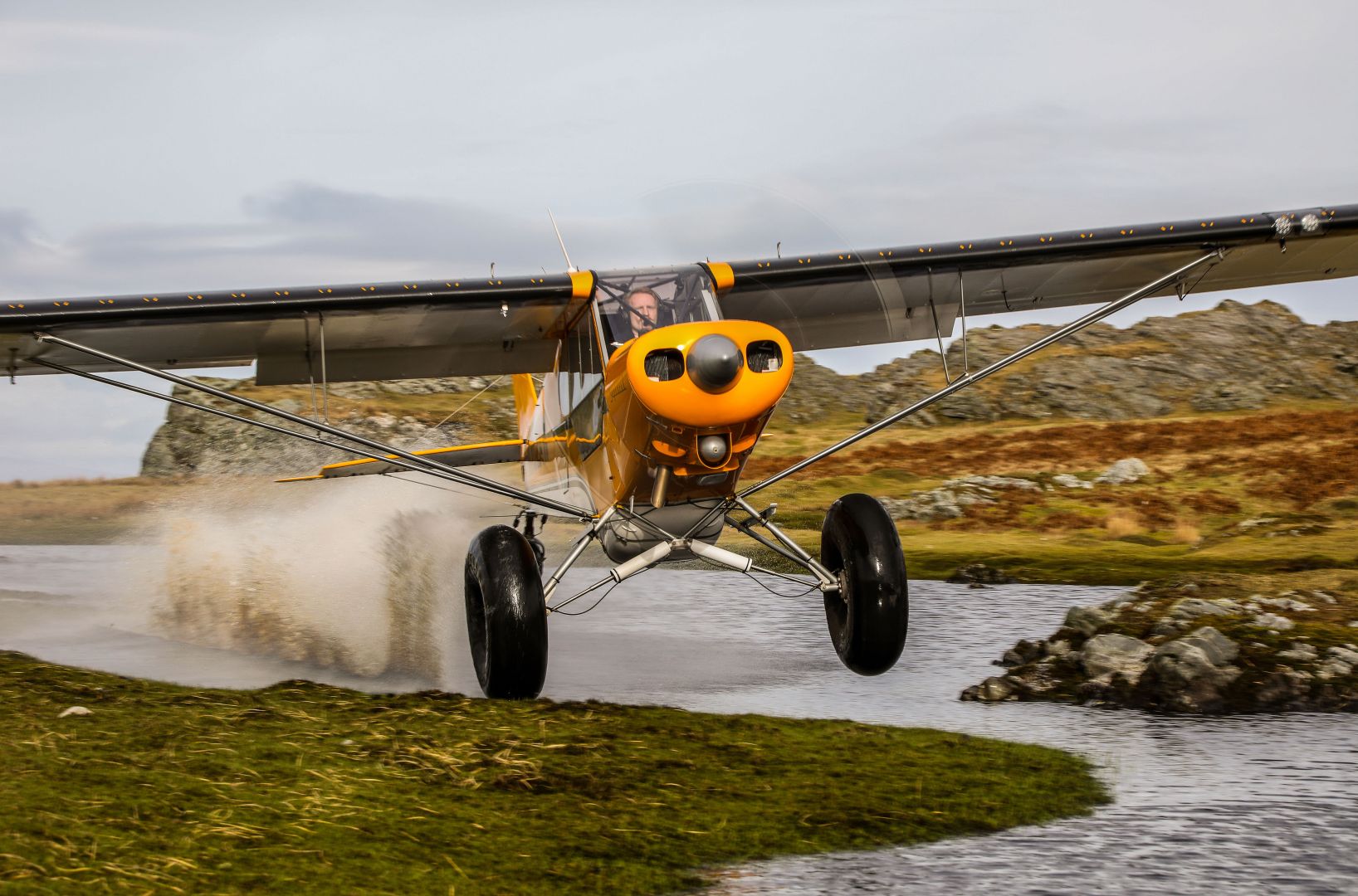
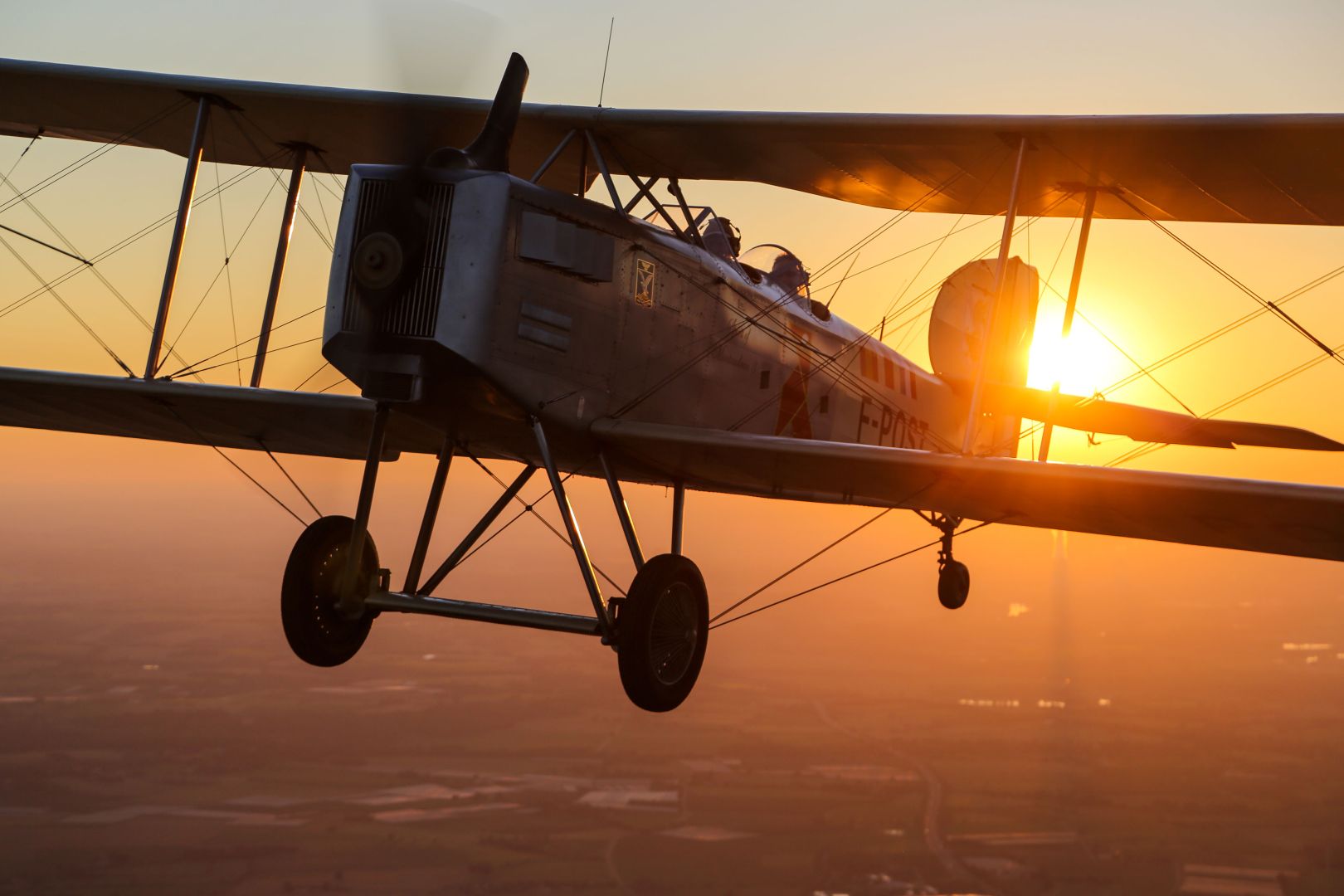
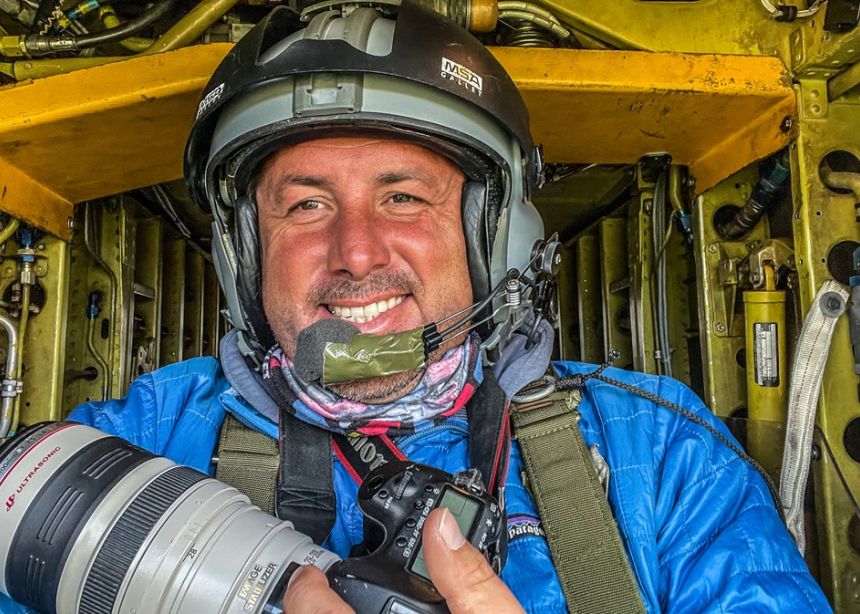
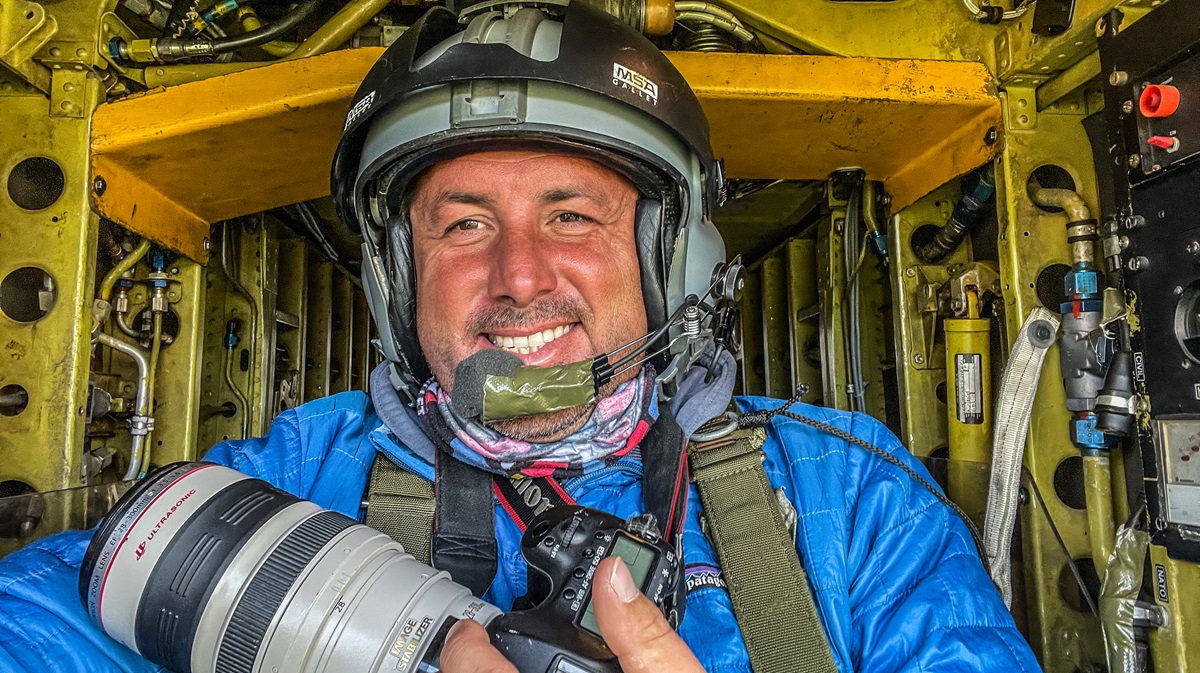
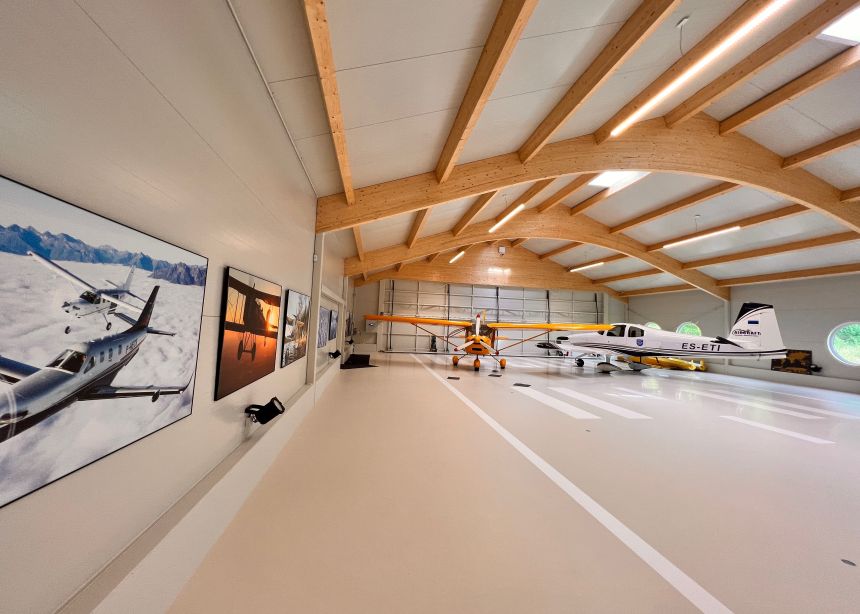
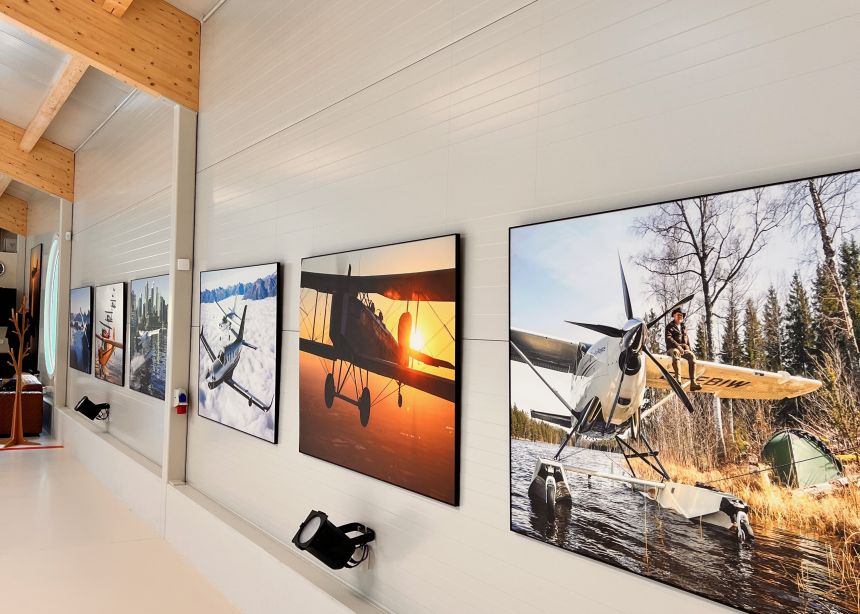
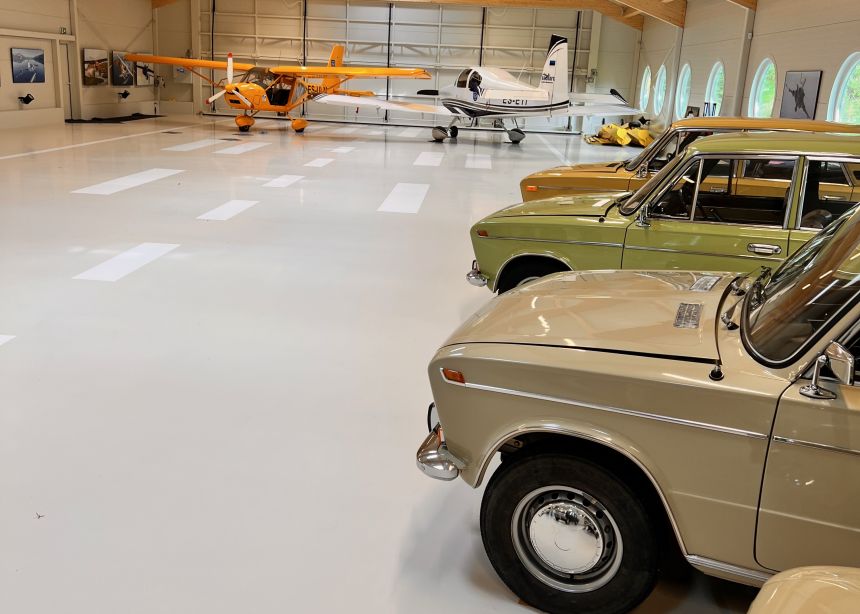
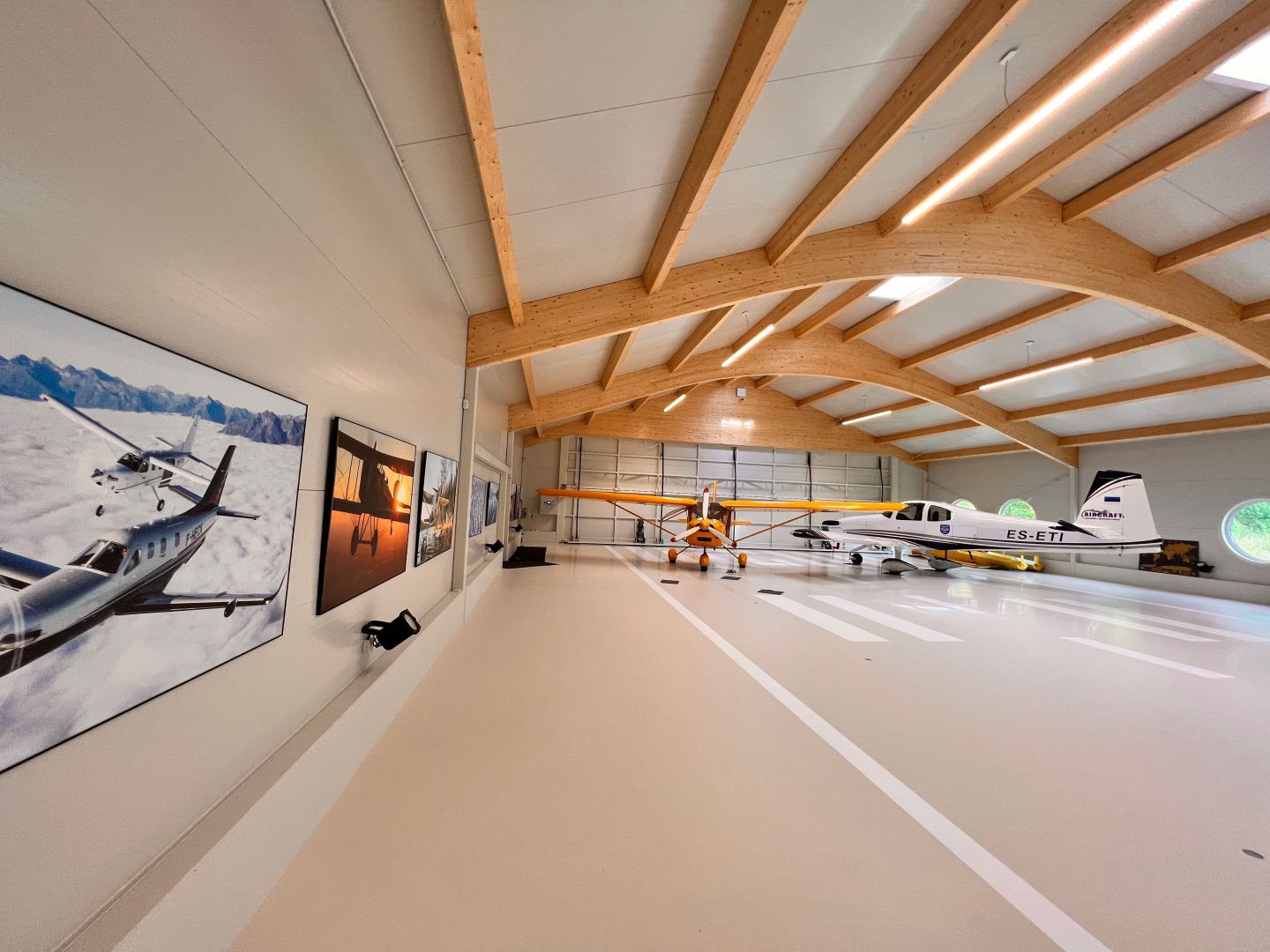
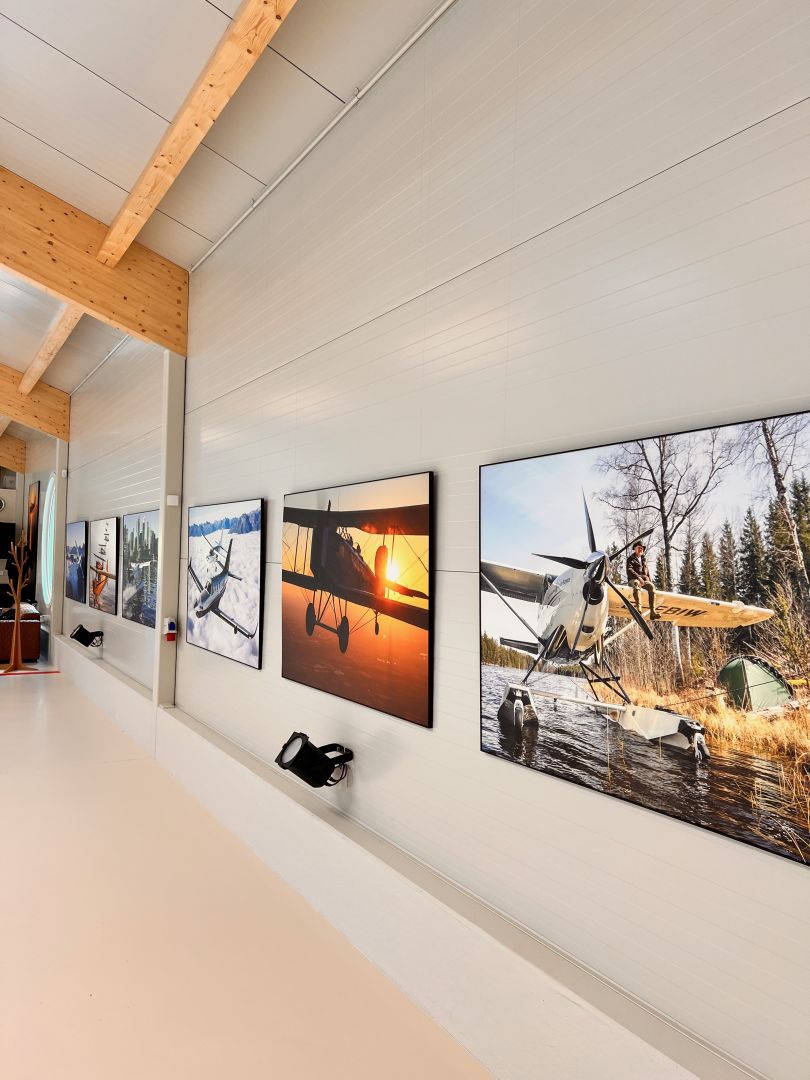
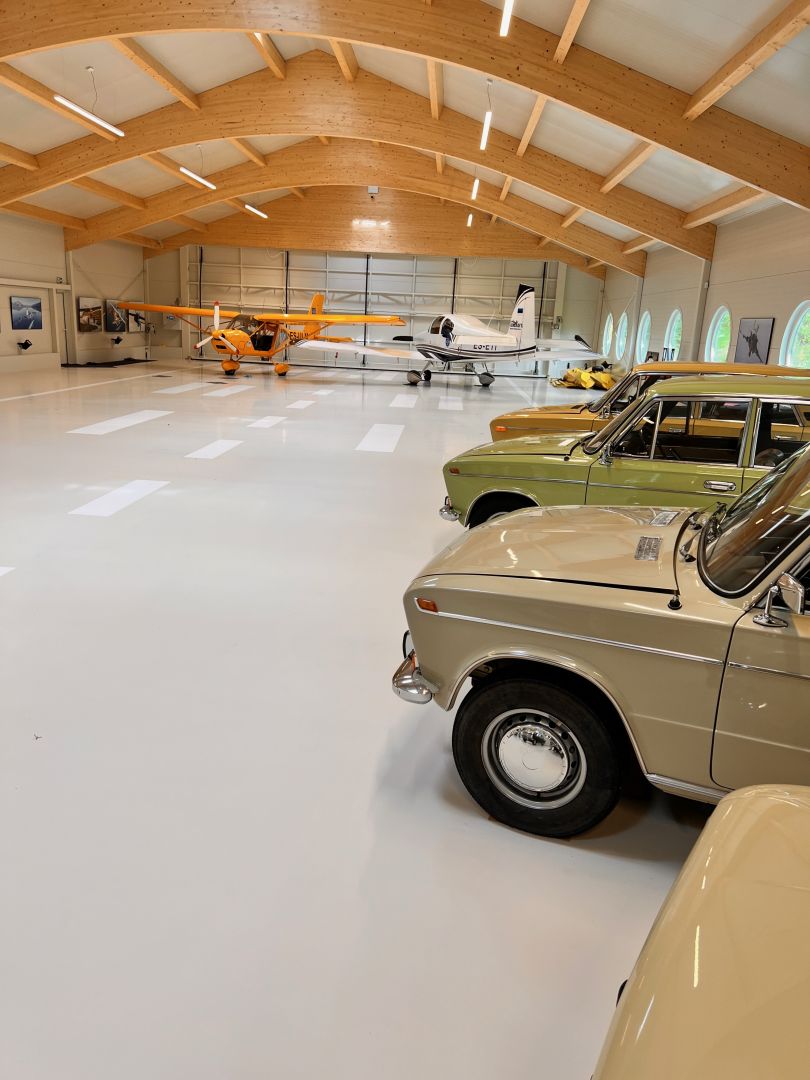
Tõutsi Aeroclub is sincerely honored to host an extraordinary permanent exhibition, bringing world-class aviation photography to South Estonia. This collection is a journey through the clouds, capturing moments where the legacy of flight meets the raw beauty of nature. The works are authored by the internationally renowned aviation photographer Jean-Marie Urlacher—a man whose soul belongs to the sky.
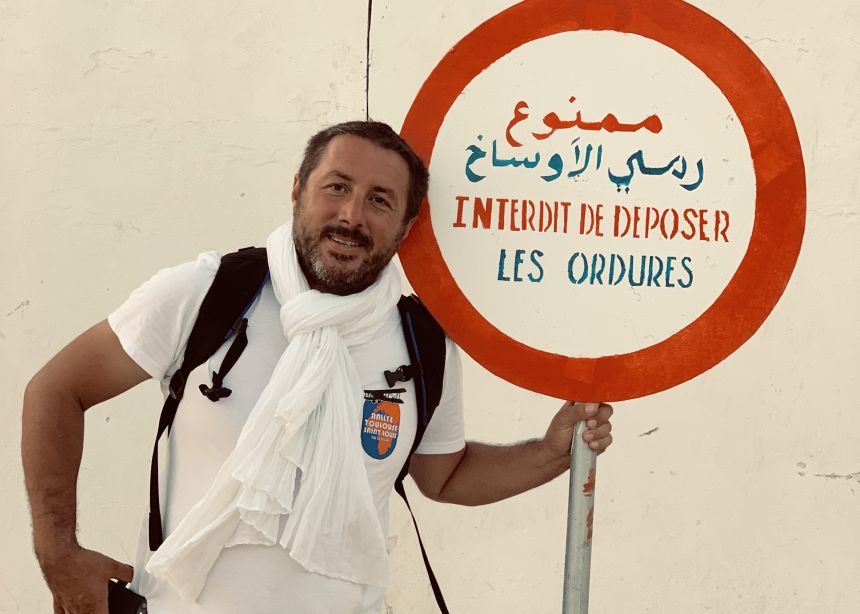
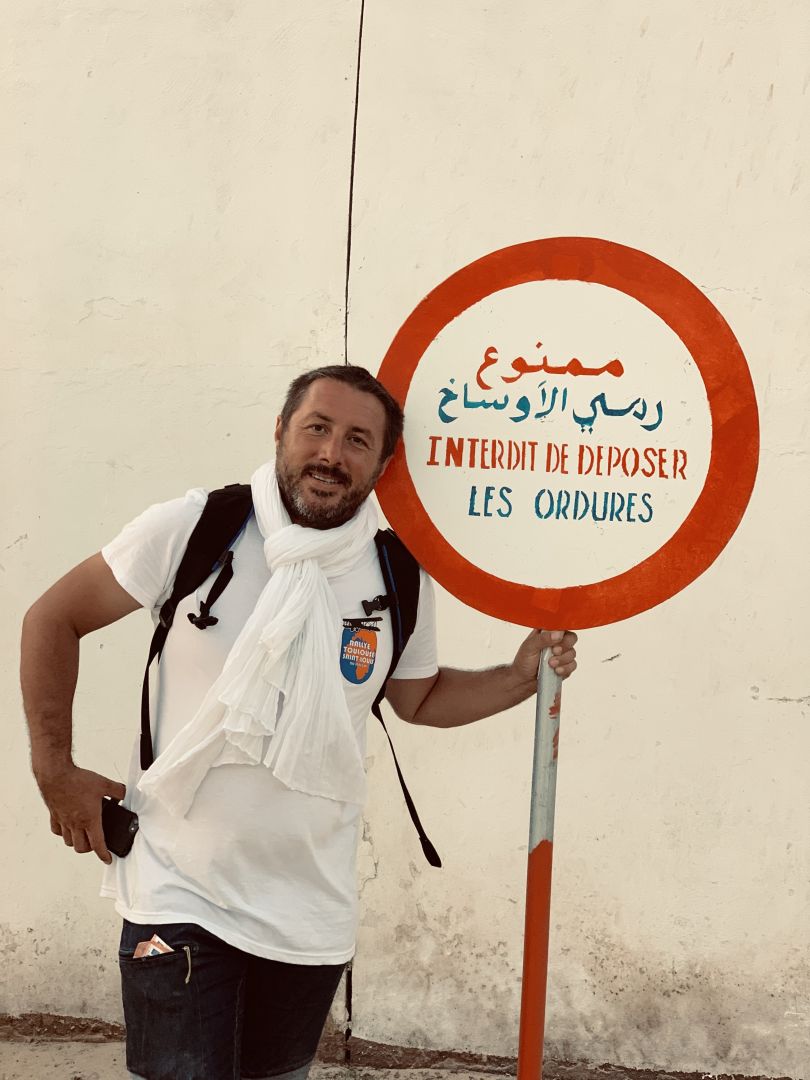
A Friendship Forged in the Sky In 2019, Jean-Marie participated in the legendary Toulouse–Saint-Louis Air Rally, following the historic Aéropostale route. It was there, amidst the desert sands and the vast sky, that a deep mutual understanding and friendship with Estonian pilots was born. A shared passion for vintage aircraft and high adventure eventually brought Jean-Marie’s work to Estonia, creating a cultural bridge between the aviation traditions of Southern Europe and the Tõutsi community.
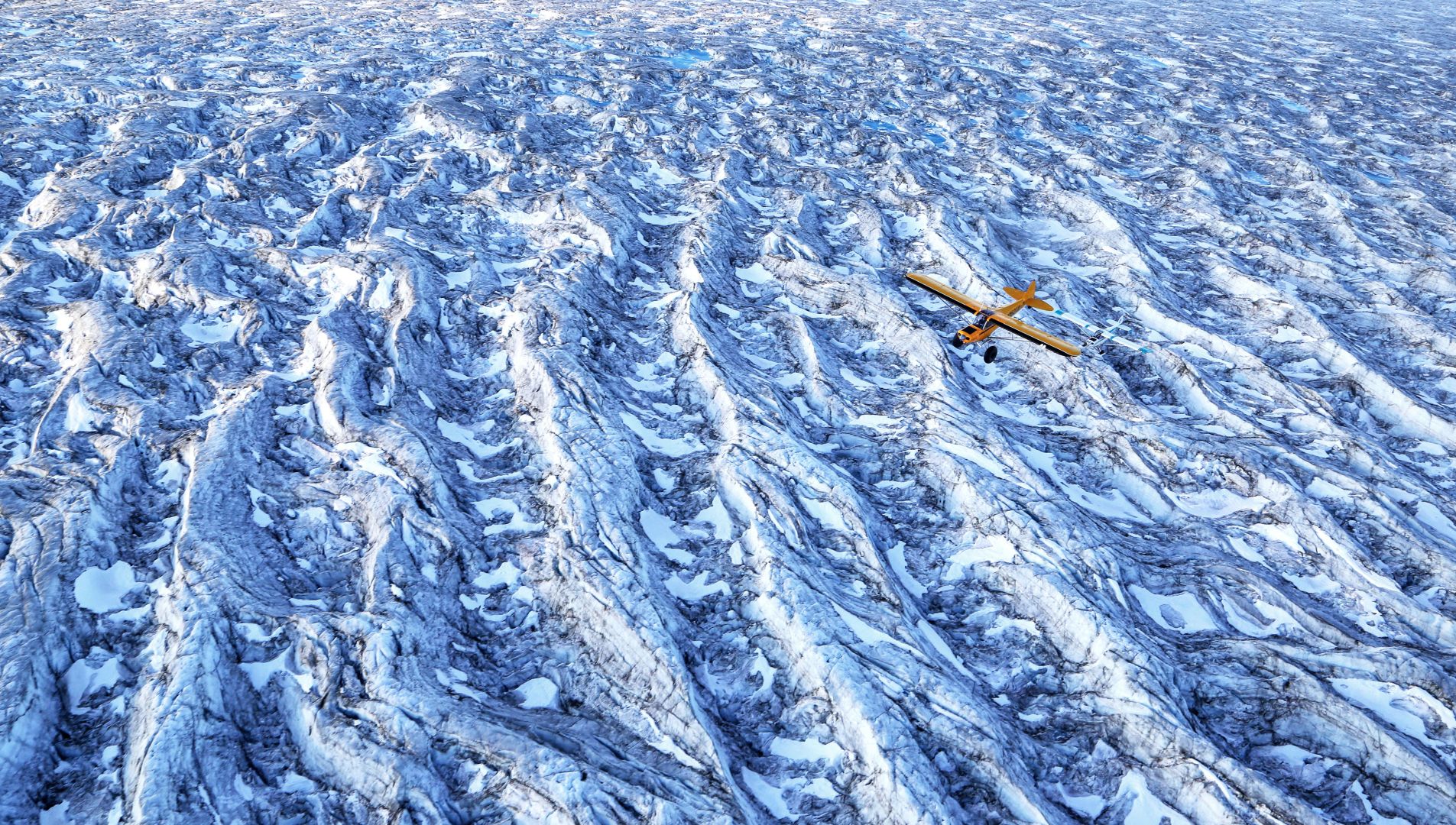
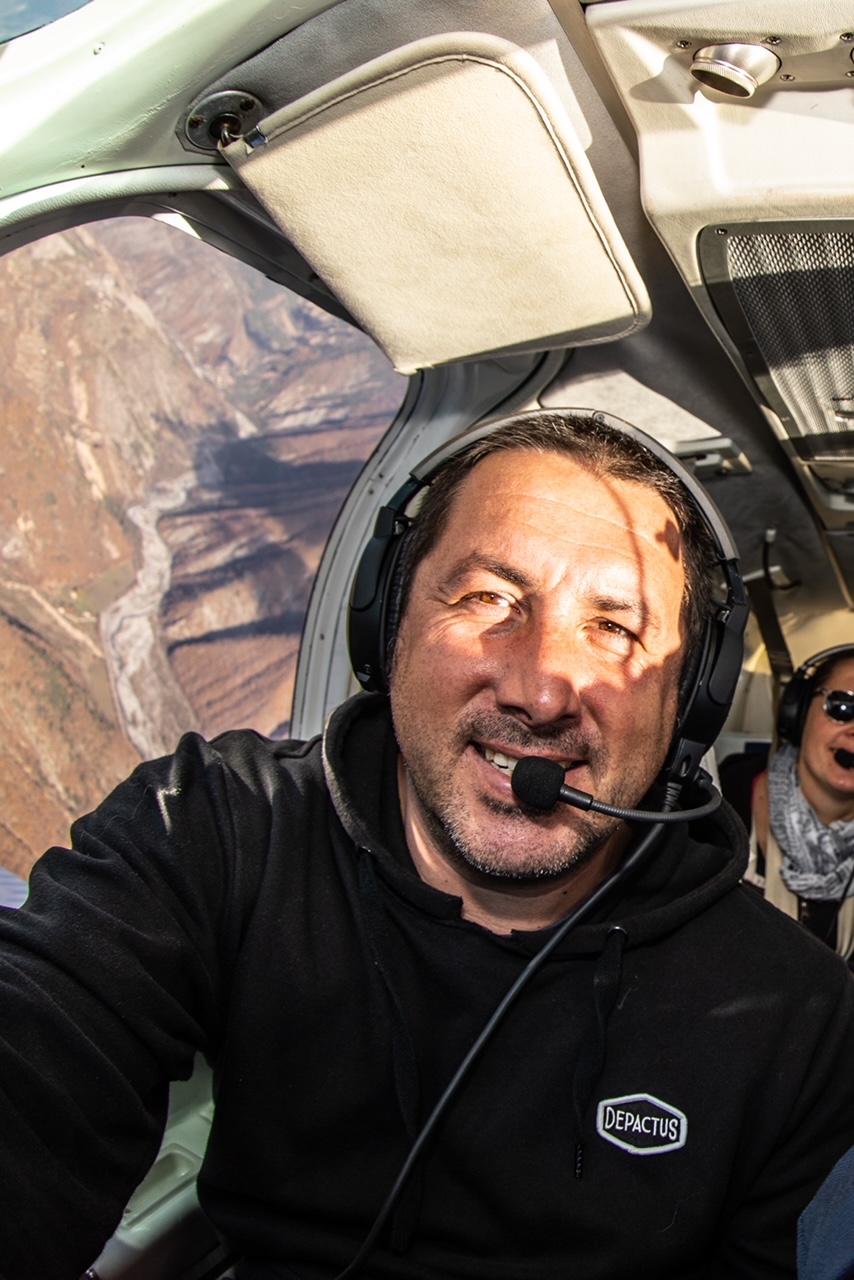
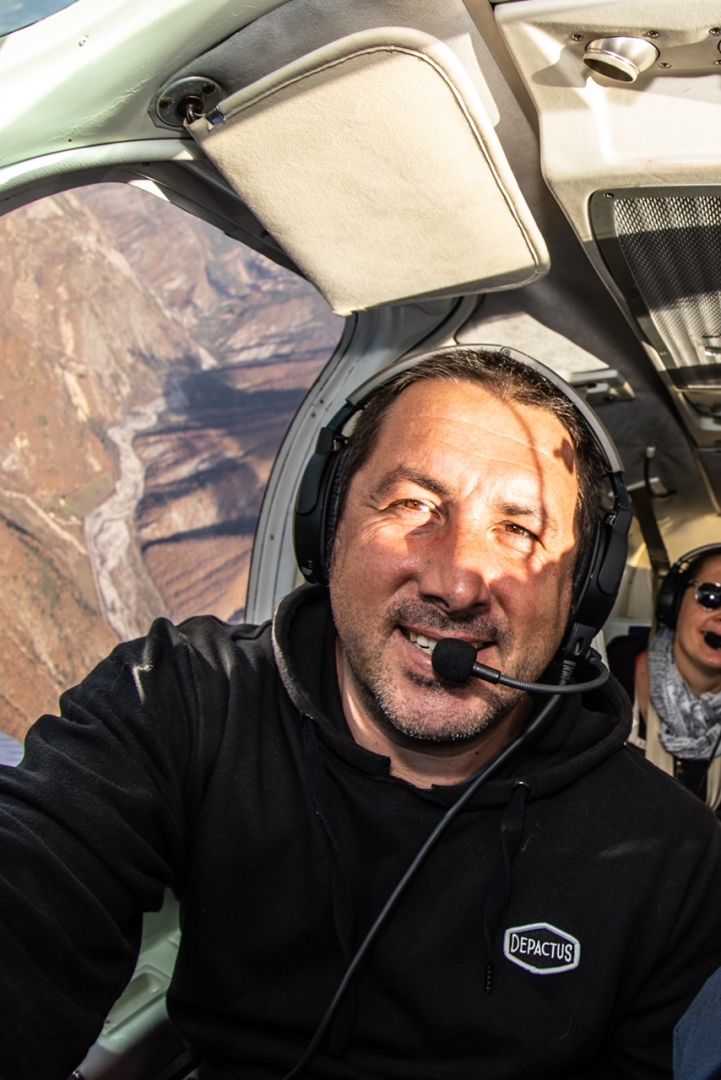
A Restless Soul and National Geographic Currently residing in Switzerland, Jean-Marie is a true wanderer of the heavens. He is not merely a photographer but a dedicated pilot who collaborates with the world’s most prestigious aviation journals. His talent and unique perspective have been recognized by National Geographic, with whom he has partnered on several major projects. Driven by a restless spirit and inexhaustible curiosity, Jean-Marie’s flights take him to the farthest corners of the globe—from the lush rainforests of Africa to the icy glaciers of Alaska and the endless wilderness of Canada.
Magical Vistas at Tõutsi The permanent exhibition at Tõutsi is a carefully curated quintessence of Jean-Marie Urlacher’s finest works. Visitors are invited to experience magical vistas captured directly from the cockpit. The exhibition offers a visual masterpiece where the crisp silence of Alaska meets the warm, golden light of the African savannah. Each photograph tells a story of freedom, adventure, and profound respect for the natural world. This is a view of the globe through the eyes of someone who feels most at home a thousand feet above the earth.
We invite all aviation enthusiasts, fans of fine-art photography, and adventurous souls to Tõutsi Aeroclub to take part in this visual odyssey. This exhibition stands as proof that aviation knows no borders and that friendships forged in the sky are eternal.
Explore more of the author's work: www.urlachair.com
Photos: Jean Marie Urlacher
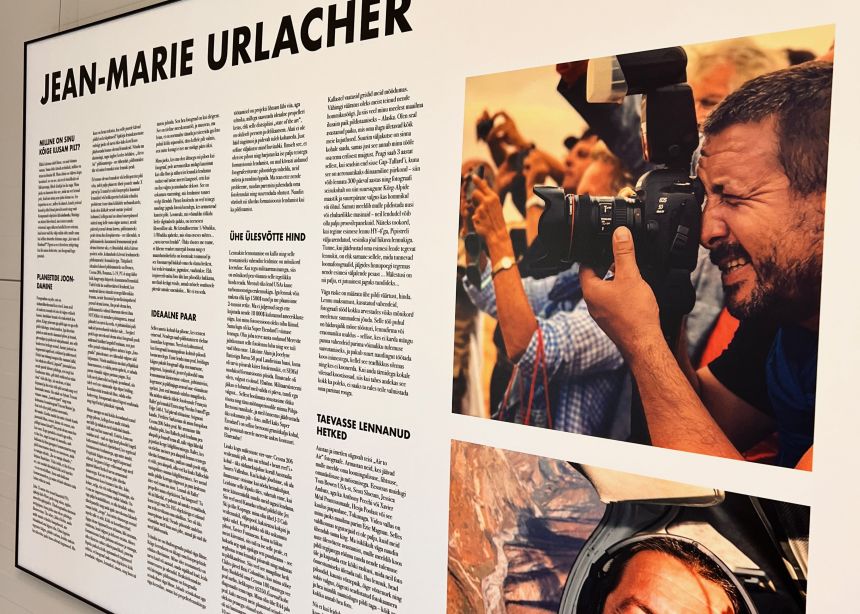
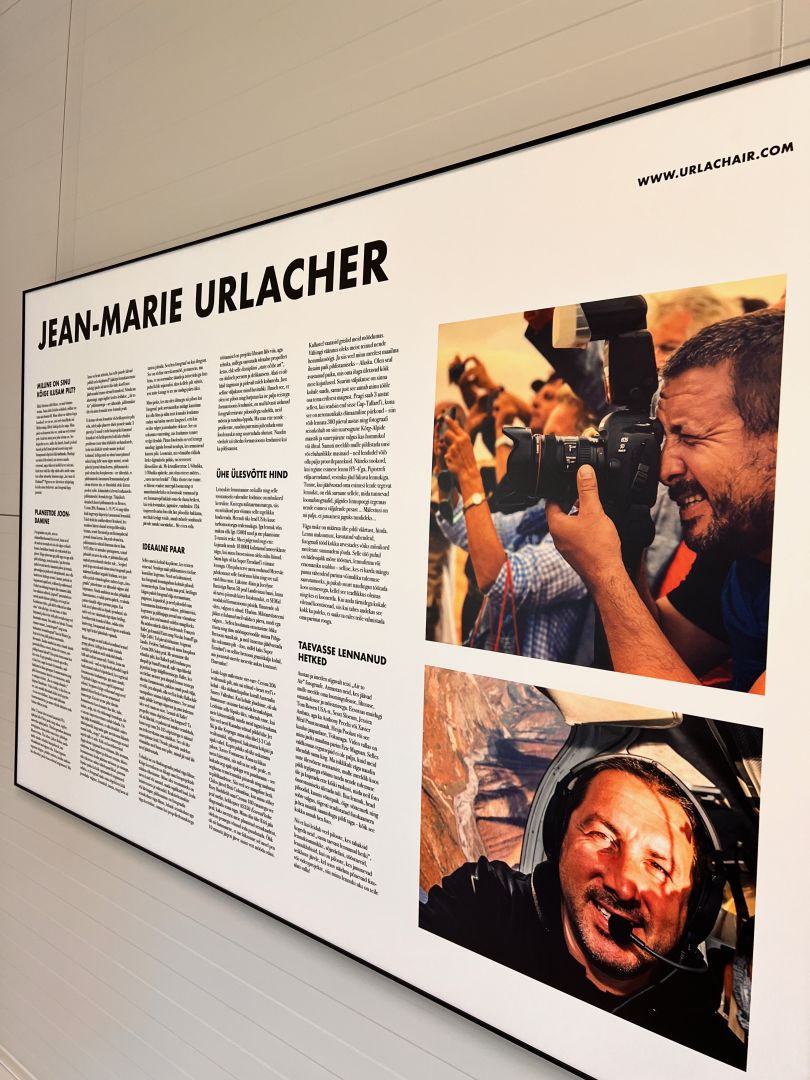
An Interview with Jean-Marie Urlacher
Which is your most beautiful photograph?
Although the question seems simple, it is impossible for me to answer. It would be like asking a gardener which flower in his garden is the most beautiful. In my eyes, the value lies in the entire composition: it is what brings happiness to the grower, the giver, and the recipient of the flowers alike. For me, the most beautiful photo is the one I haven’t taken yet, but which already exists in my head. This mental image is a seed of beauty that germinates, grows over months, and one fine day hatches and becomes reality through the camera lens. Of course, there are some shots that stand out a bit, like small atolls in the middle of the ocean, but to pick just one would be as absurd as the question, "How old was Rimbaud?" It is an archipelago of images, rather than a single snapshot, that tells a photographer’s story.
The Alignment of the Planets
As a photographer, there are images that are closer to the heart than others because they were harder to achieve, or because the light was exceptionally beautiful, the aircraft rare, or the pilot extraordinarily skilled. However, the most exciting part of every image is the story behind it—its context. With every shot, I remember the pilot and the aircraft involved, the daylight, and the small incidents associated with that specific moment. Over the years, hundreds of stories, adventures, and memories have accumulated. Currently, I am slowly working on a book where I want to tell these "stories" alongside the photographs, because even if Confucius's saying "a picture is worth a thousand words" might be true, I find that a well-written and beautiful text can support an image and make it even more beautiful. A good example is Sylvain Tesson's latest book, The Art of Patience (La Panthère des Neiges), and his meeting with wildlife photographer Vincent Munier. There, the text makes the image seem larger, more sublime. How else, if not through words, can one convey the scent, the anticipation, the fear, or the excitement that accompanies a photograph? The substance must be as good as the form. Yet the paradox lies in the fact that a beautiful photo, like a painting or music, can stand without any commentary; the success of an image is based on the emotion it evokes in the viewer. "Beauty is in the eye of the beholder," wrote Baudelaire. One could say that a beautiful photo is one that manages to combine all these aspects—it is self-sufficient, as it works without commentary, yet it creates a desire to know more about it.
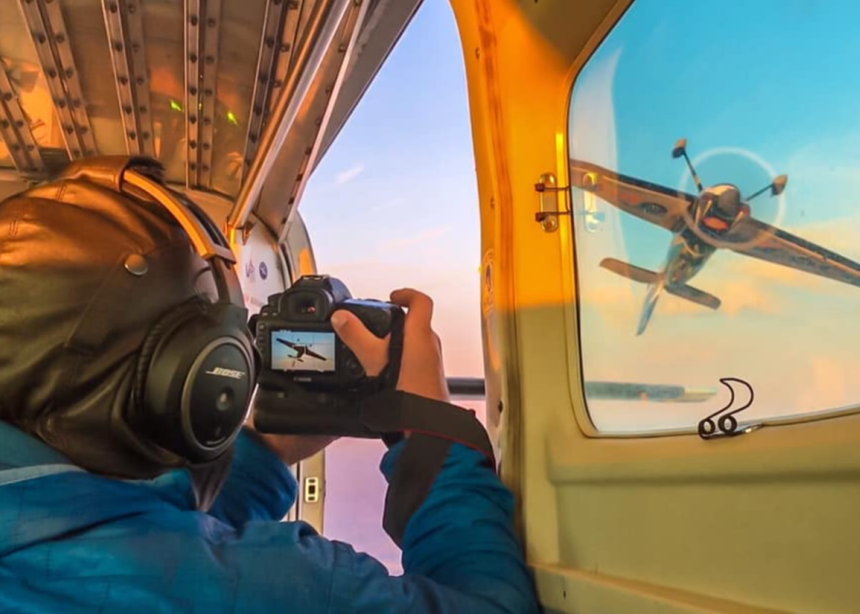
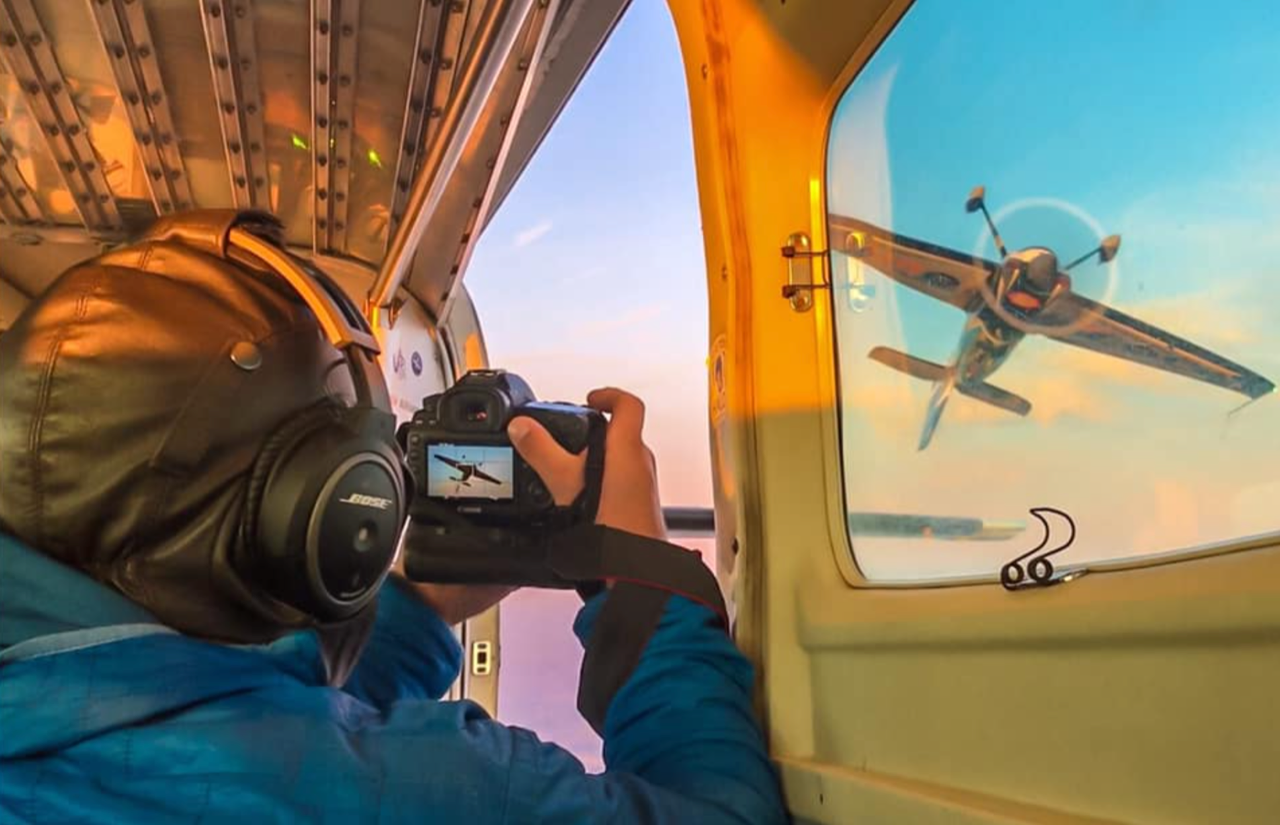
For 15 years, I have contributed to the FFA magazine Info-Pilote as well as German, English, and American journals. I started as a self-taught air-to-air photographer because I had to illustrate my own texts. A friend, Julien Robin, gave me some basic technical instructions to get me started. From there, I learned by doing, trying to understand how to create the right conditions for a good shot. What use is a good text if the accompanying images are mediocre? For the magazine’s flight test section, I needed to capture aircraft in flight once or twice a month. That is how I began "Air-to-Air" photography—photographing one or more aircraft from another aircraft.
To take a picture of an aircraft or helicopter in flight, many "planets" must align: on Day X and Hour X, the aircraft or helicopters involved must not have technical problems (many thanks to all the mechanics I’ve met over the years, with whom I’ve had excellent relationships and deep respect), their paperwork must be in order, and there must be a good photo platform. This means the chase plane must have a removable or openable door and be speed-compatible with the subject aircraft. Typically ideal platforms are the Bronco, Cessna 206, Bonanza, L-19, PC-6, and generally all aircraft used for skydiving. Reliable pilots must be found who can fly in close formation with others in complete safety, their licenses and medicals must be valid, the weather must be good, and the chosen airspace must be free of NOTAMs or any restrictions. In certain cases, procedures must receive a green light through the chain of command... Then, the entire team must agree to fly at specific times determined by the photographer, because that is where the etymological essence of "photo-graphy" lies: writing with light. Thus, I always analyze weather forecasts thoroughly to choose the best moment to catch the best possible light in the best location. When all these planets are finally aligned, a very precise briefing must still be prepared, aircraft coordinated in the air, framing chosen, camera settings correctly adjusted, and the shutter pressed at the exact right moment.
Over the years, I have gathered a certain group of pilots with whom I love to work (and I would like to thank them here—they will recognize themselves). Firstly, because I trust them—they are very good pilots (often former military pilots who specialized in formation flying, but not exclusively). Through these projects, they have often become friends. Indeed, the most special parts are these shared moments in the sky with people I care about. When we take pictures in tight formation with one, two, three, four, five, or even more aircraft, we cannot afford to improvise. It requires a great deal of goodwill to be attentive to detail and to give every crew member the space to say "stop" if any aspect of safety does not suit them. Everything is coordinated. Over time, we have learned to work together, to deliberate, to communicate, to seek good light and scenery, and to lead a formation flight with mind and spirit, being attentive to one another. Finally, we set all the optimal conditions so that the photographer can align everything in his lens: the light, the aircraft, the background—and let him lead the dance. Because a good photographer is like a conductor. It is true teamwork, and incidentally, I find it only right to thank and credit everyone involved in every photo, because we never truly do anything entirely alone.
For me, being both a pilot and a photographer, there is nothing more beautiful in aeronautics than being in the air and seeing another aircraft flying just a few meters away, especially in beautiful light and unique scenery. It is an incredible spectacle that elevates the feeling of flying even further. After a photo flight, there is a second pleasure: sharing the photos with those who love a beautiful image. The act of creation, which translates a moment into a digital sequence, is in itself a philosophical act. We crystallize 1/60th or 1/80th of a second that literally... "flies toward the sky." Upon take-off, we know we are going to create real material, and by the time we land, the act of creation has occurred, and that photographic material begins its own life the moment it is distributed, shared, and viewed. Perhaps a photo will inspire a child to become a pilot, entice someone to travel, or give a bit of a dream to a gloomy day... We do not know.
The Perfect Pair
In this profession, you also meet pilots who stand out from the rest. With them, photography becomes a true artistic experience. These are encounters where the photographer’s creativity meets the pilot’s creative mind. Before the flight, during the ground briefing, the photographer proposes scenarios, positions, and figures; these pilots, with their aircraft handling skills, flying style, experience, and visual sense, open a new spectrum of possibilities. That is where the communication becomes magical. I am thinking, for example, of a photo flight with François Rallet in an Extra and Nicolas Ivanoff in an Edge 540. That day, we were working near Avignon. Frédéric Sarkissian was my photo pilot in a Cessna 206 Soloy. We discussed a technical shot where Rallet was to fly upside down with Ivanoff beneath him, very close and in a slight sideslip. Rallet, a true master of inverted formation flying, suggested that while upside down, he could also sideslip in the opposite direction to Ivanoff. This position gave the image immediate depth and honored the idea of flight even more. During the flight, Rallet’s propeller was only 3 meters from my lens! He was so close that I had to ask him to back off slightly because, even with my 24-105mm lens, I couldn't fit him entirely in the viewfinder. It was a magnificent moment! The talent of these pilots allowed us to create new images; I only had to capture them.
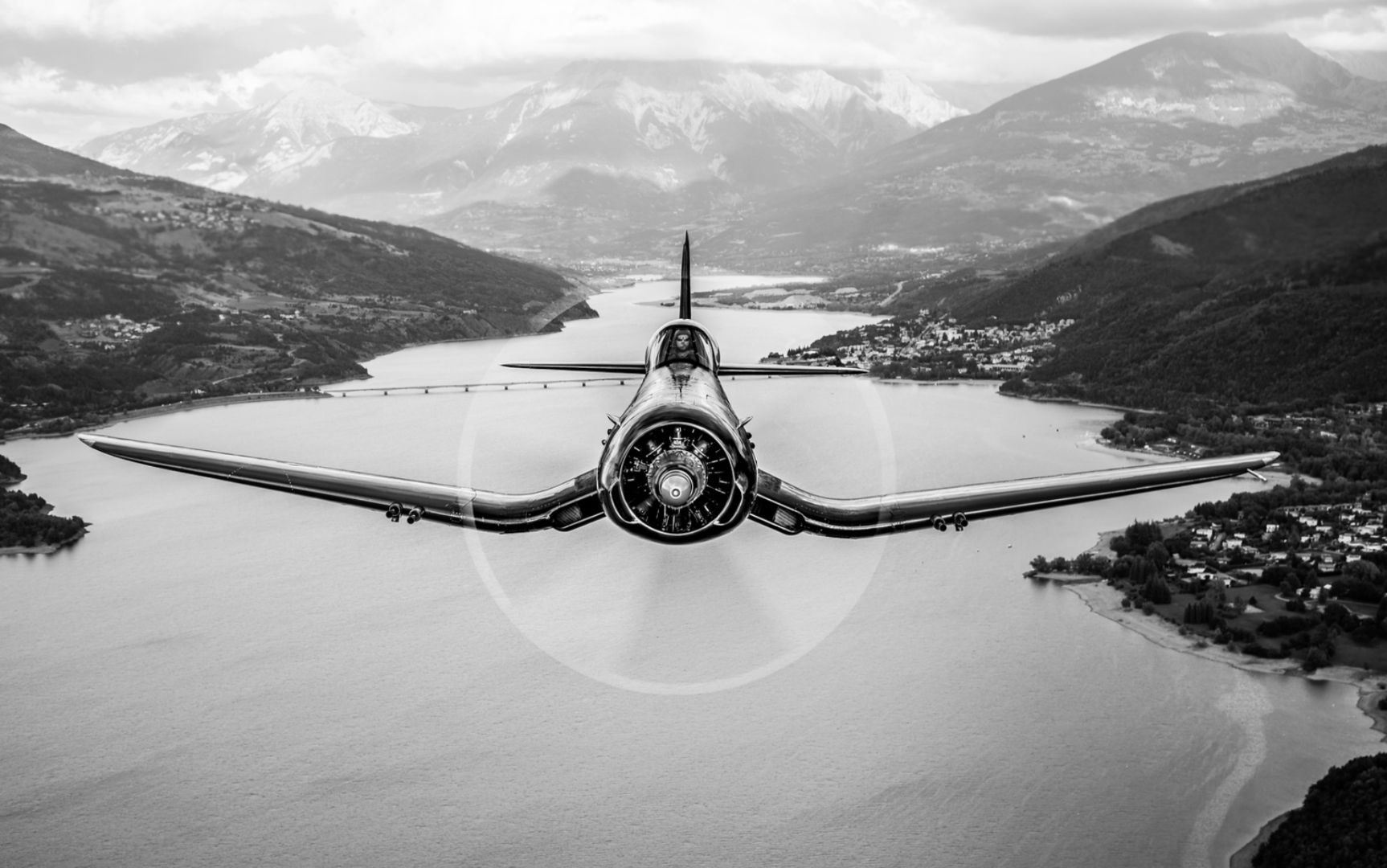
The technique itself is very simple in the case of aerial photography. The most difficult part is the successful execution of the photo projects. Some ideas take months or years to realize—getting the necessary permits, finding human resources and means. Photographing jets or fighters is very simple from a photographic standpoint but very difficult regarding permits, whereas working with propeller aircraft is easier to organize, but the technique to achieve a perfect propeller arc—the "state of the art" of this discipline—is much more subtle and delicate. Conditions are not always good, and one must constantly adapt. It is precisely this challenge that interests me. Probably the fact that I am a pilot myself and practice formation flying helps me greatly in communicating with the pilots I photograph, understanding them, and getting to know them. I anticipate their problems, can better guide my photo plane, and increase safety. I enjoy flying in tight formation as much as I enjoy taking the pictures.
The Price of a Single Shot
Flying aircraft is expensive, and finding the means to do it is sometimes difficult. When dealing with military machines, it is sometimes almost impossible to know the actual cost. I remember a flight in the US with six turbo-prop private jets. Each plane might have cost nearly $1,500 an hour, and we planned a 2-hour trip. I didn't even dare to imagine the faces of those Americans who spent $18,000 if my photo session had gone wrong. The same was true for the last flight of the Super Étendard. I had waited a whole year for permission for this photo flight from the Navy command, and it came only the night before. We went with Alain and Jocelyne Battisti in a Baron 58 to the Landivisiau base, as we needed a fast enough photo plane for the SEMs to stay in formation. The weather forecast was poor; there was no light. Bad luck. The rigidity of the military system did not allow us to choose the day, the hour, or the light... Regardless, we decided to take off and, thanks to the low tide, went to the North Breton coast. We managed to capture an incredible image—a photo where two Super Étendards are over a Breton granite cliff that draws the silhouette of a naval anchor in the sea. Unreal!
Then there is the blur of memories: the photo of a Cessna 206 seaplane taken over "Heart Reef"—a heart-shaped coral in Australia's Great Barrier Reef. When we arrived, the area was vast; we were looking for a needle in a haystack. We finally found it just before our fuel gauge forced us to fly back. Then the pictures taken in Canada with a Jet Ski and a Beaver: I was on a J-3 Cub seaplane, outside, straddling the space between the cockpit and the float. The Beaver was flown by an incredible pilot, Xavier Fontaneau. Since he moved faster than us, he came up with the idea of occasionally touching the water with his float—this slowed his plane down enough to fit him in the frame. Then that magical moment on Chilko Lake in British Columbia, where my friend Rory Bushfield surfed the water with the wheels of his Cessna 180, an AS350 Écureuil helicopter right behind him diagonally. I was on the skid of an R44, two meters from our planned shot; I could have almost touched him. The air was so laminar that we moved along the blue water of the lake like that for nearly 10 minutes straight. Grizzly bears watched us pass from the shores. The slightest mistake would have made us their breakfast. And then, what is in my opinion the most beautiful place in the world for photography—Alaska. I have discovered places there that exceed all imagination in their beauty. The greatest challenge is getting there, yet that is exactly what gives my work part of its special flavor. It will soon be three years since I settled in Gap-Tallard, as it is a dynamic region for aeronautics—you can fly 300 days a year here, and from a photographer's perspective, there is the majestic High Alps landscape and excellent light in either the morning or evening. I also like to photograph new or unusual machines—these flights can involve many trials. For example, when we did the first flight with the HY-4, a hydrogen-powered aircraft developed by Pipistrel. The feeling of capturing an aircraft making its first flights is perhaps similar to what wildlife photographers feel watching chicks make their first flights from the nest... There are so many memories that there would be enough to talk about for hours...
It is very difficult to determine the value or price of a single picture. Considering the cost of the flight, the resources used, and the photographer’s work, one could sometimes reach staggering sums. In this work, the trust of an industrialist, an airline, or a private owner is essential—one who is not afraid to put resources on the line to achieve the best possible result and who finds great pleasure in working with people who have that awareness and do not skimp. If you give a Michelin-starred chef mediocre ingredients, no matter how talented that chef is, he could never prepare his best dish for you.
Moments Flown Toward the Sky
I deeply respect and admire other "Air-to-Air" photographers. I love those who stick in my mind for their creativity, simplicity, uniqueness, and understanding. Chief among them, of course, are Tom Bowen from the USA, Scott Slocum, Jessica Ambats, but also Anthony Pecchi or Xavier Méal from France, Hesja from Poland, or the famous Japanese photographer, Tokunaga. In the field of video, Eric Magnan is the best in the world for me. There are not many active in this field, but we are united by the same passion. I personally very much enjoy discovering new shots; I like to share the joy of the results with the creators and imagine all the difficulties they had to overcome for the photo to succeed. A beautiful aircraft, good pilots, a beautiful location, the right angle, and suitable light, a correctly set camera, and a good human story behind the image—all of this together makes a good photograph.
So, if there are any more pilots who would like to experience these "moments flown toward the sky," aircraft owners, military personnel, industrialists, aeroclubs—if there are pilots who thirst for adventure and wish to showcase exciting photo or video projects, my cockpit door is always open to you!