

Diversity in the Tõutsi Skies: Our Fleet
The Tõutsi Aeroclub fleet reflects the broad scope of our community—where the practical "homebuilt" spirit meets high-tech comfort and ultimate off-field capability. Each aircraft housed in our hangar has its own story and specific character, offering pilots a wide range of flying experiences.
Evektor SportStar RTC – Our New Training Aircraft
The Evektor SportStar RTC is the newest member of the Tõutsi Aeroclub fleet—a brand-new aircraft delivered straight from the factory, acquired specifically to facilitate the club's flight training and instruction programs. This low-wing masterpiece of European aviation engineering is renowned for its exceptionally precise handling and safety, holding an EASA certification that meets the most stringent aviation standards. The SportStar is the ideal platform for newcomers to acquire their initial flight skills and for experienced pilots to refine their mastery. Its spacious panoramic cockpit and modern avionics create a professional and comfortable environment for learning.
Zenith STOL CH 701 – The "SUV" of the Sky
The Zenith 701 is an aircraft that embodies freedom. With its exceptionally short take-off and landing (STOL) capabilities, this machine was built specifically for the rolling terrain of South Estonia. This aircraft doesn't require long asphalt runways; its natural habitat consists of grass strips and unprepared clearings. The Zenith is the "SUV" of the aviation world, offering the pilot direct contact with nature and the ability to land where other aircraft simply cannot reach.
Cirrus SR22 – Innovation and Speed
While the Zenith symbolizes simplicity, the Cirrus SR22 represents the pinnacle of aviation technology. This is the aircraft for those who value speed, safety, and luxurious passenger comfort. Renowned for its modern glass cockpit avionics and its unique whole-airframe parachute system (CAPS), the Cirrus SR22 is the ideal machine for long-distance travel and cross-European trips. This aircraft brings modern aviation standards to the Tõutsi skies, blending elegance with high performance.
Van’s RV-10 – A Masterpiece of Teamwork
The Van’s RV-10 is one of the world’s most respected four-seat "homebuilt" or experimental aircraft. It represents one of Tõutsi Aeroclub’s core pillars: technical mastery. The RV-10 is famous for its superb handling and efficiency, offering speeds that rival factory-built production planes while maintaining the soul and flexibility inherent to amateur-built aviation. It is the perfect aircraft for family trips and collective journeys, serving as proof that a machine built with dedication can provide a world-class flying experience.
Aeroprakt – Lightness and the Joy of Observation
The Aeroprakt is an aircraft designed for pure enjoyment. Thanks to its incredible visibility and lightweight construction, it is the ideal choice for both the novice enthusiast and the seasoned pilot who wants to soak in the views above the South Estonian hills. Known for its reliability and easy handling, the Aeroprakt is an indispensable companion for introductory flight experiences and aerial photography. This aircraft brings aviation closer to people, making the sky feel accessible and welcoming.
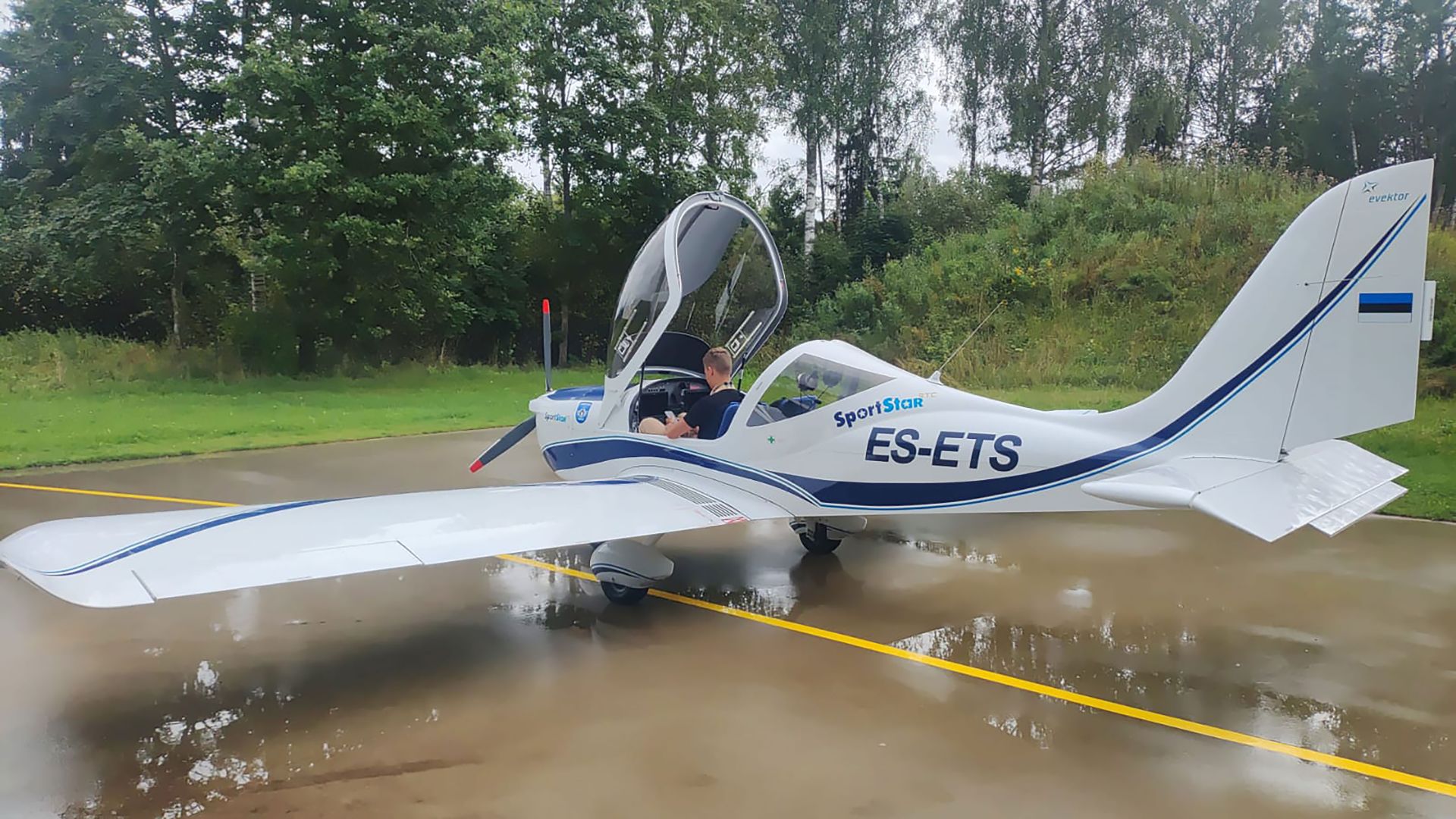
The Evektor SportStar RTC
SportStar RTC is a sleek, low-wing aircraft that represents the gold standard for modern flight training and recreational touring. Built by the historic Czech manufacturer Evektor-Aerotechnik, it was the first light-sport aircraft in the world to receive EASA restricted type certification, making it a symbol of European engineering excellence and safety.
Performance and Engineering
The SportStar is celebrated for its incredibly harmonious flight characteristics. It is a highly responsive aircraft that "flies by the fingertips," offering a sporty feel that appeals to both student pilots and veterans. Its low-wing design and wide-track landing gear provide exceptional stability during taxiing and landings, especially in the crosswinds often found on the open plateaus of South Estonia.
Technical Specifications
Powerplant: Powered by the fuel-efficient 100 hp Rotax 912 S/ULS. Speed: A steady cruise of 200 km/h (108 knots), with a safe stall speed of 74 km/h (40 knots). Weight: An empty weight of approx. 312 kg with a maximum takeoff weight (MTOW) of 600 kg. Range: An impressive endurance of up to 1,300 km, allowing for long days of flight without frequent refueling.
Design Philosophy
The hallmark of the SportStar is its all-metal, anodized aluminum airframe, which is corrosion-resistant and exceptionally durable. The cockpit features a "panoramic" bubble canopy that slides back, offering an elite field of vision and a spacious 1.18-meter-wide cabin—one of the widest in its class. It is the quintessential club aircraft: robust enough for daily training, yet refined enough for a comfortable weekend trip across the Baltic states.
Techical documentation:
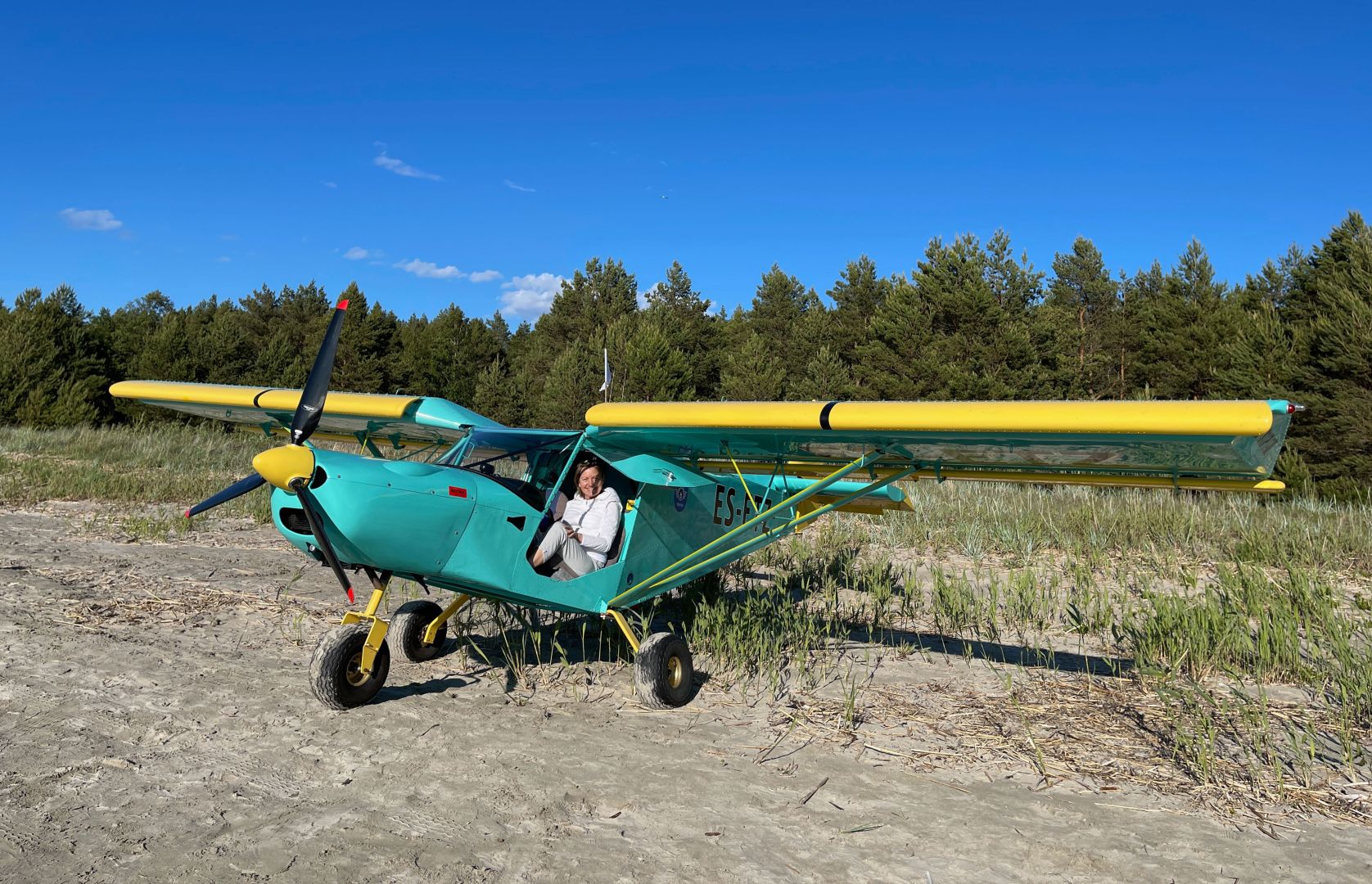
The Zenith STOL CH 701 "Sky Jeep"
The Zenith STOL CH 701 is a masterclass in aeronautical engineering designed for one specific purpose: unmatched off-airport performance. Often referred to as the "Sky Jeep," this all-metal high-wing aircraft is the ultimate tool for navigating the rugged, rolling terrain of South Estonia.
Performance and Engineering
The 701 is defined by its Short Take-Off and Landing (STOL) capabilities. Utilizing a high-lift wing design featuring fixed leading-edge slats and full-length flaperons, the aircraft can maintain controlled flight at remarkably low speeds. It is capable of taking off and landing in as little as 27 meters (90 feet), allowing it to operate from small clearings and farm strips that would be inaccessible to conventional aircraft.
Technical Specifications
Powerplant: Typically equipped with a 100 hp Rotax 912 ULS engine. Speed: A comfortable cruise of 137 km/h (74 knots), with a stall speed of just 48 km/h (26 knots). Weight: An empty weight of 263 kg with a maximum takeoff weight (MTOW) of 499 kg. Climb Rate: A robust 1,000 feet per minute, allowing for steep departures over obstacles.
Design Philosophy
Constructed primarily from durable 6061-T6 aluminum, the 701 is built to withstand the rigors of backcountry flying. Its large tires and robust landing gear are designed to absorb the shocks of uneven grass fields, while the bubble doors provide the pilot and passenger with nearly 360-degree visibility—perfect for low-altitude observation and navigating the Tõutsi landscape.
Technical info
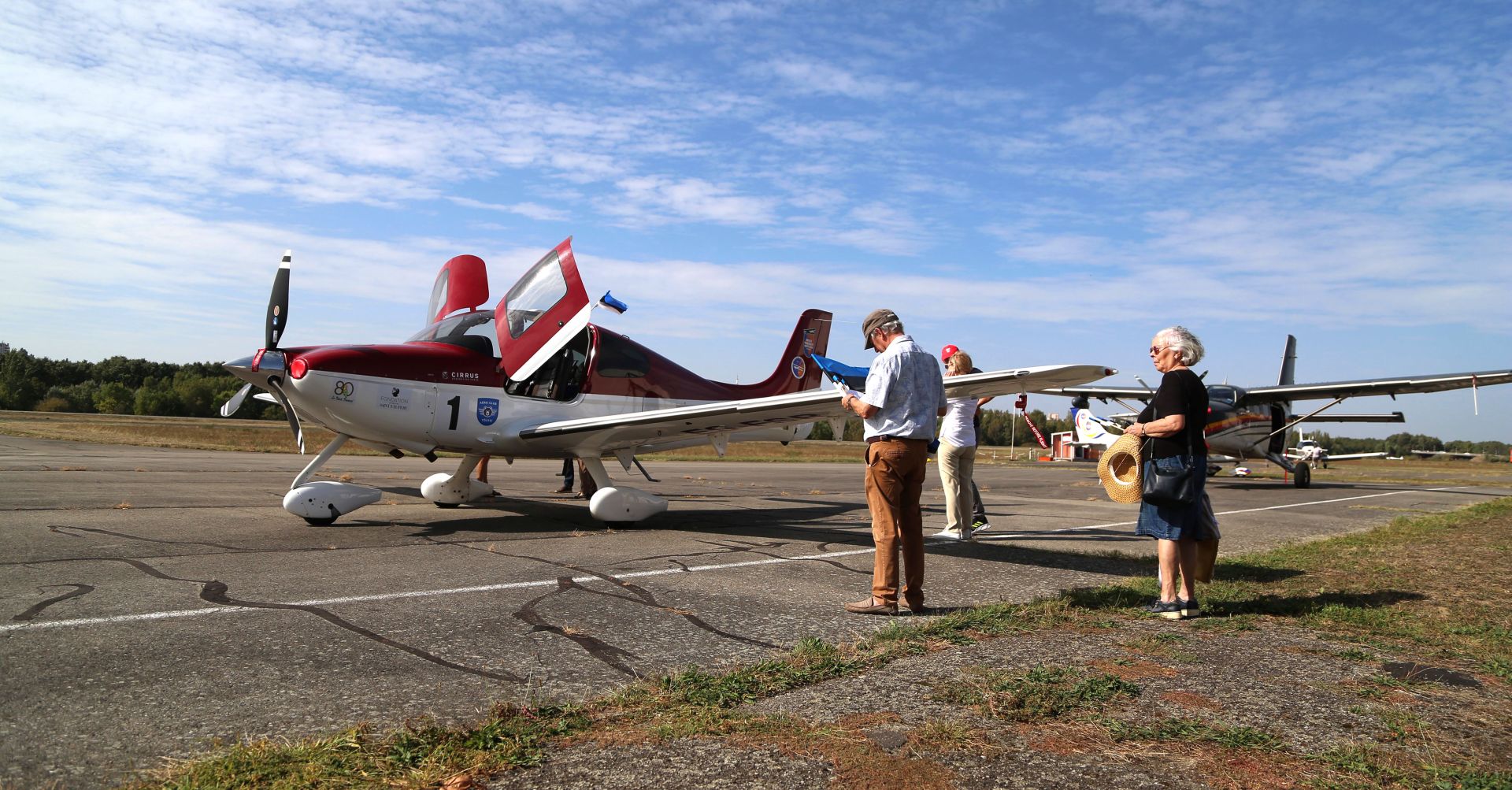
The Cirrus SR22TN
The Cirrus SR22TN G3 represents the pinnacle of high-performance general aviation. The "TN" designation stands for Turbo Normalized, meaning the engine maintains full sea-level power even at high altitudes up to 25 000 feet. This makes it a serious cross-country machine, capable of flying over weather and across borders with unmatched speed and safety.
Performance and Engineering
The Generation 3 (G3) airframe introduced a lighter, stronger wing spar and increased fuel capacity. Its turbo-normalized engine allows the pilot to climb quickly into the "flight levels" (up to 25,000 feet), where the thin air allows for incredible cruise speeds. It is equipped with the Cirrus Airframe Parachute System (CAPS), a ballistic parachute that can lower the entire aircraft safely to the ground in an emergency.
Technical Specifications
Powerplant: 310 hp Continental IO-550-N with twin turbo-normalizers Speed: A blistering high-speed cruise of 390 km/h (211 knots) at altitude. Weight: An empty weight of approx. 1,020 kg with a maximum takeoff weight (MTOW) of 1,542 kg. Range: Over 1,800 km (1,000 nm), making it a true continent-crosser.
Design Philosophy
Everything about the SR22TN G3 is about innovation and ergonomics. The side-yoke flight controls, luxury automotive-style interior, and integrated Garmin glass cockpit transform the flying experience into a sophisticated travel solution. It is the ultimate blend of safety, speed, and modern technology.
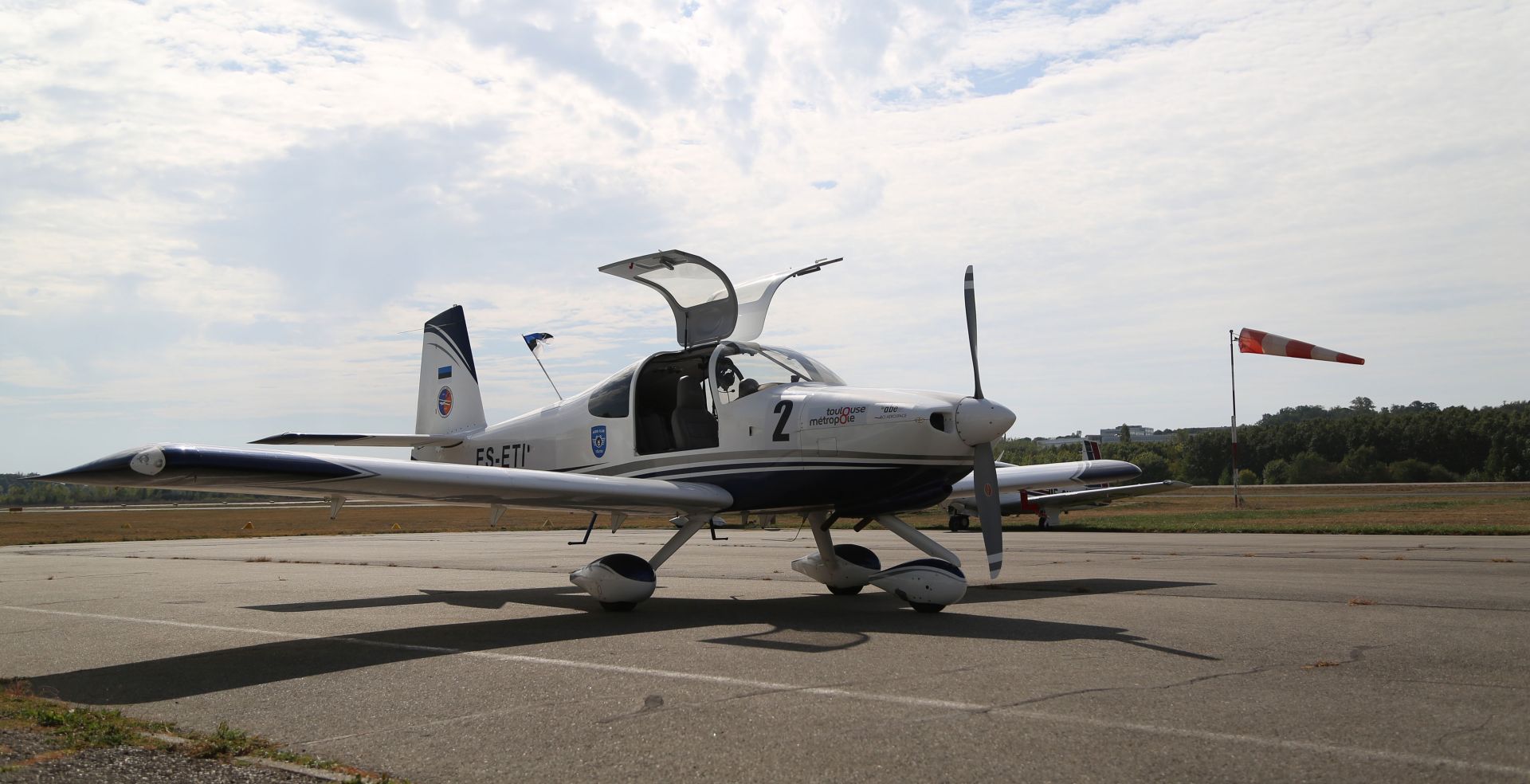
The Van’s RV-10
The Van’s RV-10 is widely regarded as the most successful four-seat kit-built aircraft in history. It represents the "Total Performance" philosophy: it is fast enough to travel long distances, slow enough to land on short grass strips, and rugged enough to be a daily workhorse for a family of four.
Performance and Engineering
Unlike many four-seaters that struggle when fully loaded, the RV-10 is a true four-person-plus-baggage airplane. It features a low-wing design with exceptional aerodynamic efficiency, allowing it to achieve high speeds with a standard aviation engine. Its handling is "sporty" and light, a signature trait of the Van’s Aircraft family, providing a level of pilot engagement rarely found in four-seat touring planes.
Technical Specifications
Powerplant: Typically a six-cylinder 210–260 hp Lycoming IO-540. Speed: An impressive cruise speed of 317 km/h (171 knots). Weight: An empty weight of approx. 720 kg with a maximum takeoff weight (MTOW) of 1,225 kg. Payload: A massive useful load of nearly 500 kg, allowing for full seats and full fuel.
Design Philosophy
The RV-10 is built for independence. As an experimental aircraft, it allows the owners of Tõutsi Aeroclub to be deeply involved in its maintenance and customization. Its aluminum construction is time-tested and durable, while its spacious cabin and large baggage area make it the premier choice for club expeditions and group fly-ins.
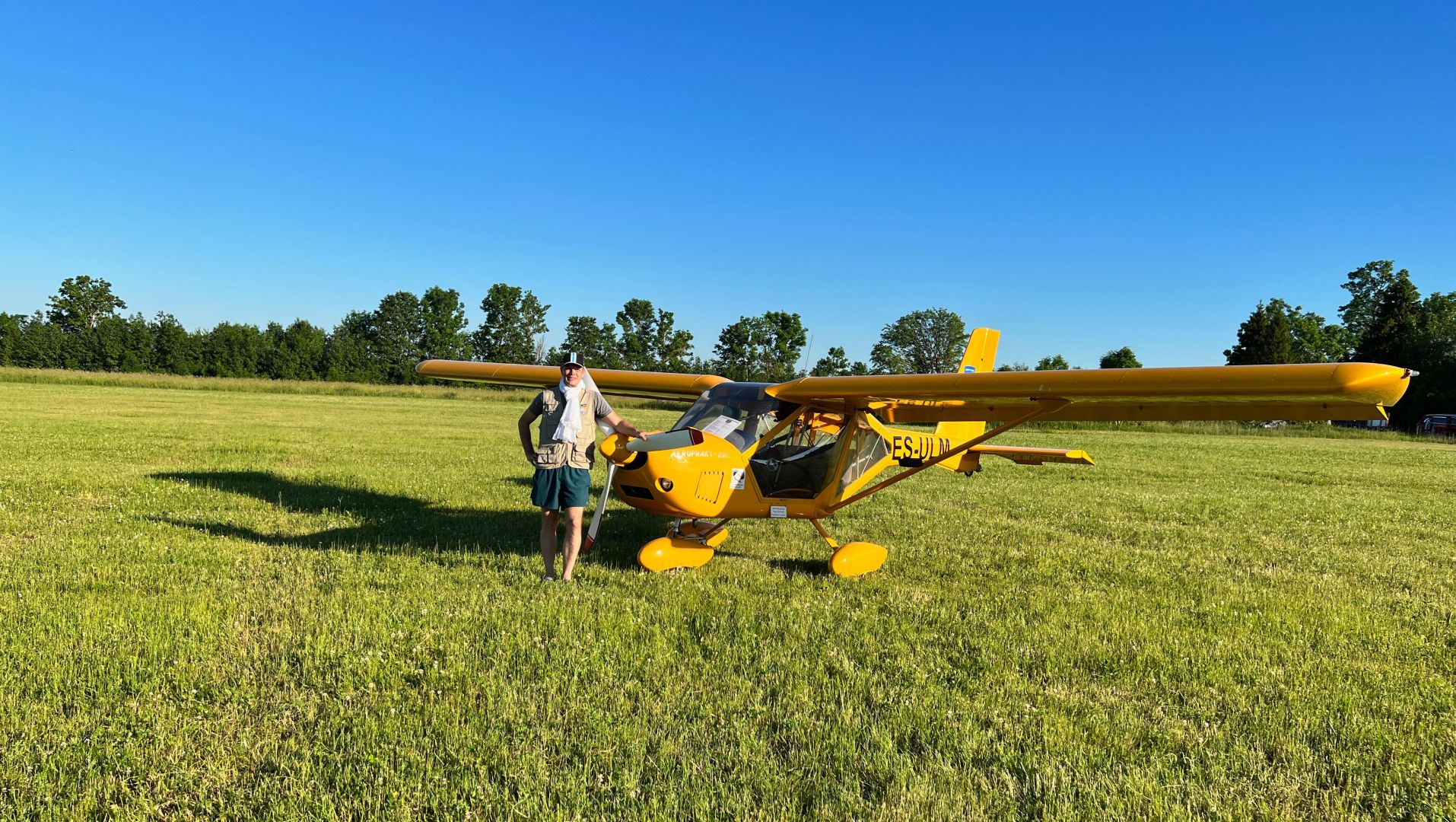
The Aeroprakt A-22 "Foxbat"
The Aeroprakt A-22 belonging to Estonian Aviation Museum and operated by Tõutsi Aeroclub is a masterpiece of light-sport aviation, designed to prioritize visibility, ease of handling, and sheer flying pleasure. Known for its distinct "glass house" cockpit, it is the perfect platform for pilots who want to experience the beauty of the South Estonian landscape with an unobstructed view.
Performance and Engineering
The A-22 is a high-wing, two-seat aircraft that excels in low-speed stability. It is remarkably forgiving, making it an ideal trainer and an excellent choice for recreational flying. Its large-diameter tires and robust metal airframe allow for confident operations on grass strips, while its light controls provide a responsive and agile flight experience.
Technical Specifications
Powerplant: Usually powered by the reliable 100 hp Rotax 912 ULS. Speed: Cruises comfortably at 160 km/h (86 knots), with a remarkably low stall speed of 52 km/h (28 knots). Weight: An empty weight of approx. 290 kg with a maximum takeoff weight (MTOW) of 450–472.5 kg. Climb Rate: A steady 650 feet per minute, ensuring smooth departures.
Design Philosophy
The hallmark of the Aeroprakt is its concave bubble doors, which provide panoramic visibility—often cited as the best in its class. Built with a combination of metal and high-quality composites, it balances durability with weight efficiency. Its simplicity and low maintenance requirements make it a cornerstone of the Tõutsi community.